

 24 Hours
 (In-Stock)

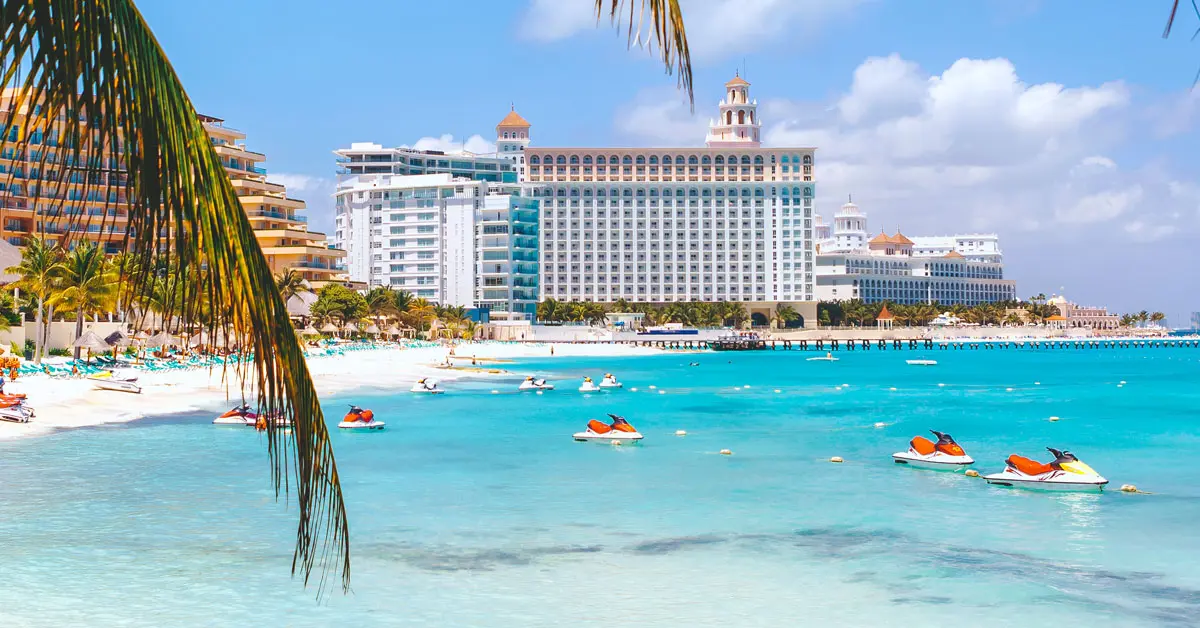
A resort is all about the waterfront. You might think of it as the core or the heart of guest experience. It’s why visitors come to your establishment. The water is where kids laugh their way through swim zones, where guests launch kayaks, or take in beautiful sunsets from the dock.
Beneath all that beauty is a delicate balance of safety, compliance, and perception. One overlooked detail—such as a buoy that’s drifted too close to a swim area or a missing “no wake” marker—can drastically shift the balance.
The Overlooked Liability at the Water’s Edge
Resort managers and owners can look at buoy placement as risk and brand management. The way you define, mark, and maintain your waterfront shapes your liability exposure and the way guests experience your property during their visits.
Now that summer is over, we’re moving into budgeting and strategic planning season. That makes it the ideal time to evaluate your buoy system to ensure you’re supporting safety and service. It’s a good time to explore upgrades before next season begins (which will be sooner than you think)!
Waterfront liability is one of the most complex, sticky, and potentially costly exposures that a resort can face. You’re combining several unpredictable factors: the weather, water conditions, guest behavior, and watercraft use. This combination makes it difficult to foresee or control every risk. But one area that you can control is the clarity of your boundaries.
Think of buoys as your first line of communication with guests and boaters. When the buoys are properly placed, they send a clear, unmistakable message: this area is safe, that area is restricted, and we take your safety seriously.
When placement is inconsistent, unclear, or outdated, it signals exactly the opposite and can reflect on your entire operation. It can also lead to real legal consequences. Imagine a situation where a swimmer drifts over into a boating lane, because the swim area wasn’t clearly marked. Or picture a guest damaging the property by crossing an unmarked “no wake zone.” It doesn’t take much imagination to realize that buoys are essential.
Even when incidents are minor, unclear signage, poor markers, or buoy misplacement give the impression that your resort is failing to take reasonable precautions. The phrase “reasonable precautions” is the language of liability. A well-designed buoy system is one of the most straightforward ways to demonstrate that your resort meets the standard.
Each state has its own water safety regulations. Local guidelines may apply to your resort’s waterfront as well. These regulations can vary, but consistency and visibility are universal expectations. Buoys must be placed in a uniform pattern. They must be clearly labeled with compliant colors and symbols. This satisfies the Coast Guard and DNR guidelines and also creates a visual language that your guests understand intuitively.
Demonstrating Waterfront Compliance Gives Guests Confidence
Compliance likely drives your planning process—Federal, state, and local regulations set the standards. But the success of your resort hinges on guest confidence.
Resorts compete on amenities, access, and the way guests feel about their experience. A chaotic or unclear waterfront where swimmers, boaters, and paddleboarders tangle without structure creates anxiety. This type of waterfront discourages use, invites complaints, and chips away at that feeling of effortless enjoyment that attracts guests to a resort in the first place.
The contrast to this scenario is a waterfront that is clearly marked to communicate order and care. Guests probably won’t consciously recognize, “Wow, those buoys are perfectly aligned,” but they’ll feel the underlying message that someone cares about their safety. That feeling translates to longer stays in the water, confident participation in water activities, and higher guest satisfaction scores about their overall experience.
For family-oriented resorts, confidence is even more critical. Parents need visible boundaries to trust that their children can swim safely. Couples want the peace of mind to relax on a paddleboard or kayak near the dock without worrying about jet skis cutting too close.
Even for non-swimmers, well-maintained buoys reinforce a sense of professionalism that extends throughout the resort. For those looking to get away and commune with nature, protecting the peace of the waterfront is non-negotiable.
When guests perceive that your resort takes safety seriously with precision and consistency, it impacts the way they think of your entire resort brand. It’s not about noticing restrictions; the safety markers offer reassurance.
Aesthetics and Your Reputation
Safety is at the heart of waterfront regulation, but there’s an aesthetic dimension that many resorts overlook. A waterfront dotted with faded, mismatched, leaning buoys subtly undermines an otherwise high-end environment. Guests notice visual details, and if your buoys look scummy and dilapidated, they’ll connect the marker condition with the quality of your entire operation.
Fortunately, modern buoy systems provide both function and form. Your resort can customize buoy colors, finishes, and even branding elements like logos and names while maintaining complete regulatory compliance.
A crisp, consistent set of buoys that’s clean, evenly spaced, and well-maintained becomes a picturesque part of your resort’s identity. It’s the difference between a waterfront that feels cared for and one that feels like an afterthought.
We live in an era of Instagram, online reviews, and travel blogs. Visual consistency matters to your waterfront now more than ever. Guests might share a photo of the sunset over the water, but they’re also capturing your shoreline. A professionally managed buoy line quietly reinforces the message that your resort considers every detail of the guest experience.
Buoy placement can be thought of as a matter of stewardship. Buoys are a visual expression of how seriously your resort takes the safety and satisfaction of its guests into account. Proper placement protects people, preserves your brand integrity, and prevents problems long before they arise.
Travelers choose destinations not just based on attractive amenities, but also on how a place makes them feel and the overall vibe. In other words, details count more than we first may think. Conveying to guests that they have access to a beautiful, safe, calm, and cared-for waterfront will keep them coming back again and again. In many ways, buoy placement is part of providing hospitality excellence.
Operational Efficiency and Long-Term Savings
Beyond the poetics of perception, aesthetics, and even liability, there’s an operational advantage to a well-planned and placed buoy system. A system with a mapped layout that’s anchored with durable mooring systems and documented spacing reduces the need for reactive maintenance throughout the season.
When a buoy drifts because of poor anchoring, it’s not only an aesthetic or compliance problem. It takes your staff away from other guest-focused activities. The time they have to spend troubleshooting, retrieving, and repositioning could be better spent on customer service during peak guest hours.
Save your staff stress by investing in professional-grade hardware and implementing a clear operating procedure for maintenance and protocol. A little time planning on the front end can dramatically reduce inefficiency and hassle for your team.
During the high season, weekly visual checks should be part of the routine. Documented seasonal inspections help you keep the system in top shape, and regular checks also help you create paper trails to protect against any legal claims, should they arise. Adding these routines for staff helps to prevent oversights from taking up time and energy down the road.
Replacing your buoys on a proactive cycle ensures safety, aesthetics, and efficiency. Typically, replacement should be carried out every two to three years, depending on UV exposure and water conditions. It’s a small upfront investment to protect your reputation and the financial hit that can come from a safety incident or negative review.
Budgeting Ahead for Resort Safety
Your off-season is usually the time to look at your budget. Your buoy system is a maintenance line item to examine, but it’s also a strategic investment under risk management and guest experience.
A smart approach to buoy placement includes:
- Assessing your current buoy placement against regulatory maps and patterns of guest use.
- Identifying areas that are high-traffic and high-risk. These might be swim zones near boating lanes, rental docks, or deep water transitions, and they should all be clearly marked with the correct buoy types.
- Evaluating the age, visibility, and current condition of your existing buoys. Fading, discoloration, damage, or missing reflective bands indicate that it’s time for replacement.
- Consulting with a professional buoy supplier that understands the unique challenges of resort operations and can recommend compliant configurations that also align with your resort’s visual standards and branding.
The truth is that in the context of your capital improvements budget, the cost of buoy maintenance and replacement is relatively modest. But these steps offer outsized benefits, including legal protection, improved guest safety, and operational efficiency. Plus, they add to your resort’s brand image—a win-win all around. A well-planned buoy system can serve your resort reliably for multiple seasons with minimal maintenance. In other words, buoys are one of the best ROI ratios of any waterfront investment.
Now is the time—fall and early winter—when you should plan and implement your buoy updates for next season. While the water levels are lower and gust traffic is minimal, your team can evaluate placement patterns objectively (without the pressure of daily operations and hospitality).
Conducting a site survey now on your resort’s buoy placement will allow for any necessary orders and replacements to go in well before spring. You’ll avoid the supply chain crunch that happens when resorts reopen for the season.
It’s also an ideal time to add a few branding upgrades and reconfigure plans based around new amenities. For example, if you’re adding a kayak launch, expanding a swim zone, or introducing rental watercraft, your buoy placement needs to evolve with your changes and support the attractions for next year.
Walsh Marine has spent decades working side by side with resort operators to design, source, and maintain buoy systems that meet safety standards and guest expectations. Every waterfront is unique, but we know that safety and style can coexist beautifully with the right planning. Reach out today to ensure you’re ready to wow resort guests in the spring.