

 24 Hours
 (In-Stock)


Channel markers guide every vessel safely through a harbor, a river mouth, or a shipping lane. Port authorities and harbormasters depend on clear, compliant markers to prevent groundings and collisions. Choosing the right buoy manufacturer determines how well those markers hold up under daily vessel traffic.
Placement, color, and numbering all follow federal standards that harbormasters must enforce within their jurisdiction. Understanding these standards helps you plan replacement cycles before a marker fails. The guide covers what port authority buyers need to know about specifying, installing, and maintaining channel marker buoys.
What Are Channel Markers?
Channel markers are buoys or fixed structures that show boaters the safe route through a channel, harbor, or river. Each marker uses a specific color, shape, and number to indicate which side of the channel a vessel should keep. Port authorities install and maintain these markers according to U.S. Coast Guard standards for their jurisdiction.
How Channel Markers Guide Vessels Through Harbor Channels
Channel markers rely on a lateral system that tells boaters which side of a channel to favor. Red markers sit on the starboard side when a vessel returns from open water toward a harbor. Green markers mark the opposite side, showing the port side of the same return route.
Numbering increases from the seaward end toward the harbor, giving boaters a way to track their position along a channel. Even numbers appear on red markers, while odd numbers appear on green markers. Harbormasters rely on this numbering to direct traffic during congested arrivals and departures.
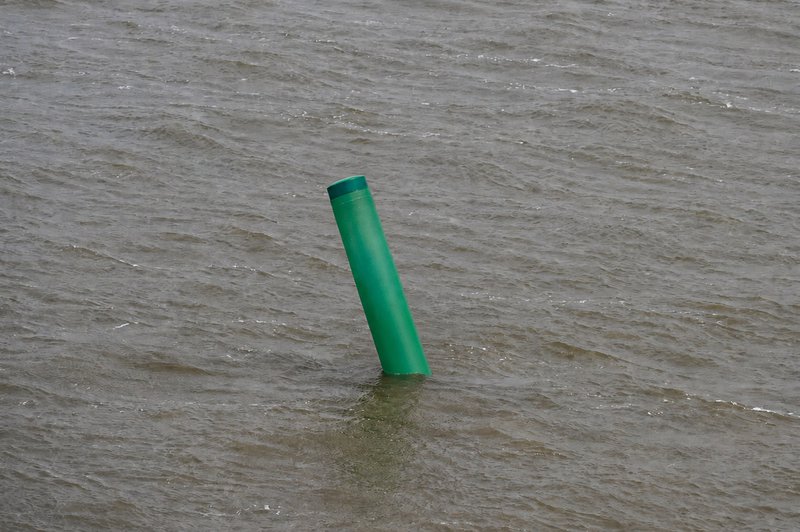
Lighted markers, however, add a nighttime signal that matches the daytime color and shape. A flashing red or green light lets vessels navigate the same channel safely after dark.
Meanwhile, port authorities coordinate marker placement with local surveys and seasonal changes in channel depth. Shifting sand bars and dredging projects often require markers to move within a single season. A harbormaster who tracks these changes keeps channel markers aligned with the safest navigable route.
Choosing the Right Channel Marker Buoys for Your Port
Material choice shapes how long a channel marker buoy withstands vessel wakes, debris, and storm surge. High-density polyethylene resin resists cracking and corrosion better than lighter, hollow plastic buoys. Therefore, ports that specify HDPE construction reduce replacement costs across busy shipping lanes.
Rotational molding produces a seamless shell without seams or caps where water can seep inside. The process keeps wall thickness even, so the buoy resists impact from barges, tugs, and floating debris. Closed-cell foam fill keeps the buoy afloat even after a direct vessel strike.
Mooring hardware for channel markers needs to match the current and vessel traffic in your specific waterway. Stainless steel handles saltwater ports and inlets, while galvanized steel suits calmer freshwater channels. Heavy-duty chain and swivel connections keep the marker anchored through strong tidal pull.
As a result, vinyl graphics keep numbering and lettering legible for years without fading in direct sun. Ports that specify permanent vinyl graphics avoid restenciling markers mid-season.
Maintenance and Inspection Standards for Port Authority Buoys
Port authority buoys require regular inspection to confirm color, lighting, and position stay within Coast Guard standards. A harbormaster typically schedules these checks each season, especially before peak boating months. Routine inspections catch wear before a marker drifts outside its charted tolerance range.
For instance, corrosion, marine growth, and faded numbering all signal that channel markers need service soon. Catching these issues early keeps a channel safely marked for commercial and recreational traffic.
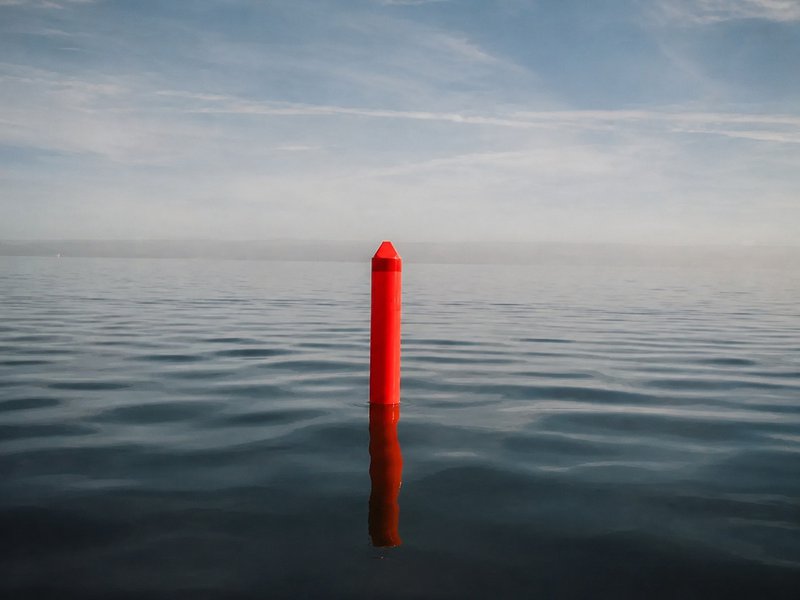
Mooring chains and anchors also need inspection, since a dragging buoy can drift out of its charted position. Divers or remote cameras confirm anchor placement and depth during scheduled maintenance windows. A drifting marker creates a hazard for vessels relying on its charted location.
Meanwhile, documentation matters during a Coast Guard audit or a state port authority review. Inspection logs, replacement records, and repair history all support compliance during an audit. A port authority that keeps thorough records avoids penalties and passes review faster.
Why Harbormasters Choose Walsh Marine for ATON Builds
Walsh Marine manufactures every channel marker buoy at its Wisconsin facility using HDPE resin and seamless construction. Harbormasters receive a buoy built for the specific traffic and current their channel handles.
The Tough Seal method controls mold temperature and rotation speed on every unit produced. Closed-cell foam fill, stainless hardware, and permanent vinyl graphics complete a build meant for heavy traffic. Coast Guard compliance documentation ships with every order, so your team avoids inspection delays.
Restoration kits extend the service life of channel markers already deployed in your harbor. Likewise, port authorities, marinas, and government waterway programs all rely on the same manufacturing standards for every order. Such reliability across product lines helps you plan budgets and replacement schedules with confidence.
Our team returns quotes within twenty-four hours so your seasonal timeline stays on track. In addition, domestic production means every question reaches an engineer instead of a distant sales queue. Harbormasters gain a manufacturing partner who understands both the technical and regulatory sides of a compliant marker.
Ready to Order Reliable Channel Markers?
Channel markers keep vessel traffic safe through busy harbors, inlets, and shipping channels. Material choice, construction method, and maintenance planning all determine how long a marker lasts. Walsh Marine builds every channel marker buoy to meet the standards your port depends on.
Whether you manage a harbor, a marina district, or a port authority program, we can spec your channel's build. Our team reviews your traffic patterns and current conditions before recommending materials and hardware. Reach out today for a quote tailored to your channel's requirements.