

 24 Hours
 (In-Stock)

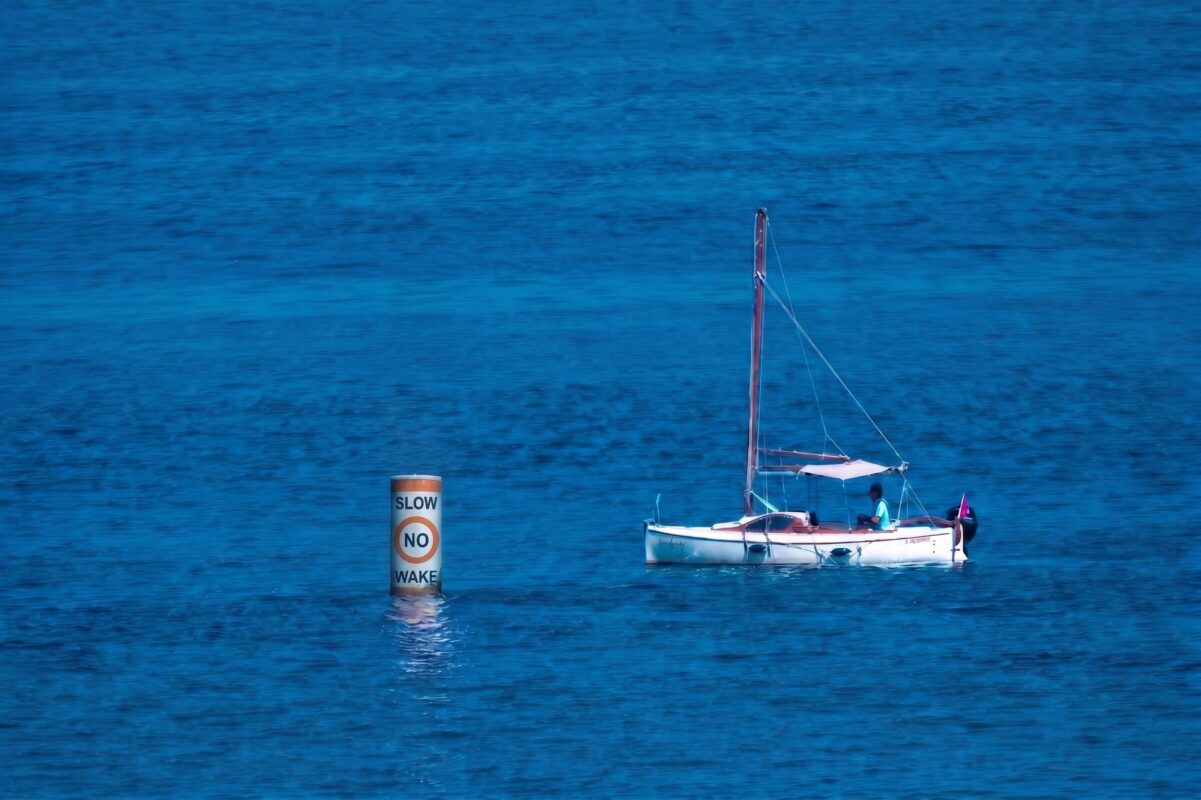
State and federal agencies rely on aids to navigation to guide vessels safely through rivers, lakes, and coastal waterways. DNR offices, USACE project managers, and USCG marine safety units all specify ATON buoys that meet strict federal marking standards. Choosing a compliant buoy manufacturer protects your agency from safety violations and costly replacement cycles.
Compliance depends on more than color and shape, since agencies must verify construction, materials, and documentation before deployment. A buyer who understands ATON requirements avoids delays during agency procurement and inspection reviews. This guide walks you through the standards, materials, and paperwork that define truly compliant aids to navigation.
What Is Aids to Navigation Compliance?
Aids to navigation compliance means a buoy meets the shape, color, and marking standards set by the U.S. Coast Guard and applicable state agencies. A compliant buoy displays the correct daymark, reflective material, and lettering for its designated waterway class. Agencies verify compliance through manufacturer documentation, inspection records, and Coast Guard reference guides before approving a buoy for service.
What Aids to Navigation Compliance Means for Agency Buyers
Aids to navigation compliance starts with matching the buoy to its designated waterway classification. Federal ATON guidelines dictate shape, color, and reflective markings for channels, hazards, and mooring zones. A buyer who understands these classifications can specify the correct buoy before requesting a quote.

Regulatory buoys and lateral markers follow different rules depending on whether USACE, USCG, or a state DNR oversees the waterway. The USCG publishes ATON reference standards, while state DNR offices often add local requirements for lakes and rivers. Matching those standards during the design phase prevents costly rework after installation.
Agencies also weigh visibility requirements against seasonal water conditions. Ice buildup, fluctuating water levels, and heavy boat traffic all affect how a marker performs long-term.
Procurement teams benefit from working with a manufacturer who tracks these standards internally. Because agencies face audits and public safety reviews, documentation matters as much as the physical buoy. A manufacturer who provides that paperwork upfront saves your team time during compliance reviews.
Choosing Materials That Meet Aids to Navigation Standards
Material choice determines whether a buoy survives years of collision, ultraviolet exposure, and chemical contact. High-density polyethylene resin resists cracking, fading, and degradation better than lighter plastics. The factors below cover what agencies should check when specifying a compliant buoy build.
- HDPE resin resists cracking, fading, and chemical degradation better than lighter, cheaper plastics.
- Rotational molding produces a seamless shell with no seams or caps to leak.
- Closed-cell foam fill keeps the buoy afloat even after a puncture or collision.
- Stainless steel hardware handles saltwater environments better than standard coated fittings.
- Galvanized steel and PVC-coated fittings suit most freshwater and shallow residential installations well.
- Permanent vinyl graphics keep regulatory markings legible for years without fading or peeling.
Agencies that specify HDPE construction reduce replacement costs across the life of their waterway program. Vinyl graphics help aids to navigation pass inspections by keeping lettering readable.
Documentation and Certification Requirements for Compliant Buoys
Documentation proves a buoy meets aids-to-navigation standards long before it reaches the water. Agencies request serial numbers, batch records, and material certifications during procurement review. A manufacturer who tracks this paperwork internally can produce it within days, not weeks.
Warranty terms and refurbishment records also factor into long-term compliance planning. Agencies that keep detailed service histories can more easily justify budget requests for replacement buoys.
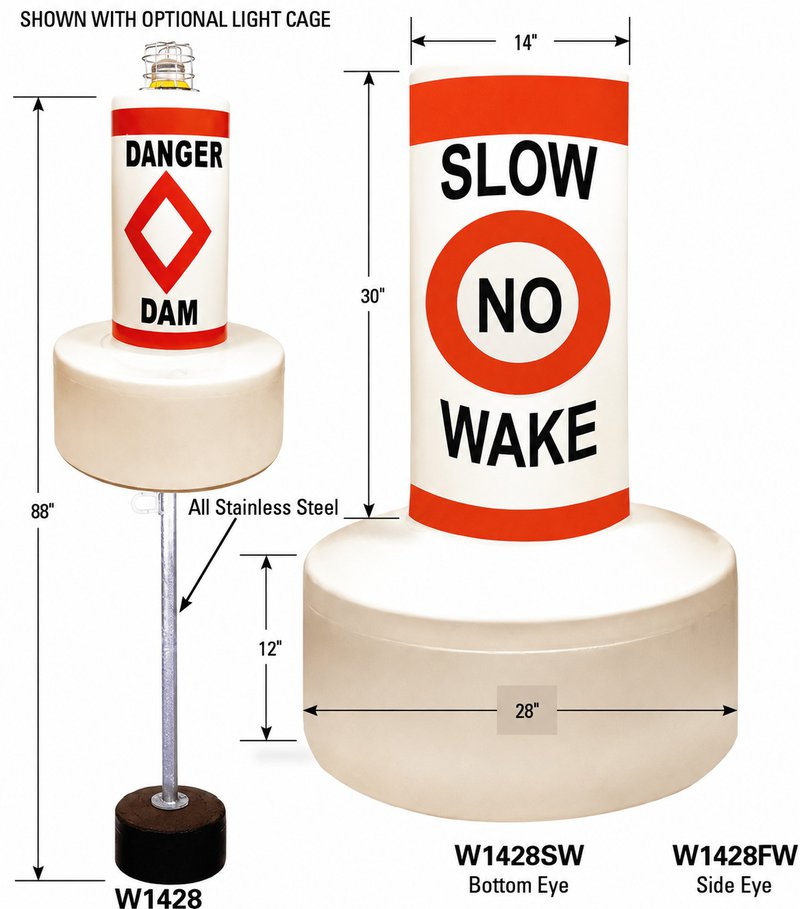
USCG reference guides and ACOE project specifications outline the exact markings, colors, and dimensions required for each buoy class. State DNR inspectors often cross-check those same standards during lake and river audits. Because requirements vary by region, buyers should confirm specifications before finalizing an order.
Domestic manufacturers typically provide documentation faster than overseas suppliers, which face translation and shipping delays. A same-day paperwork request becomes realistic when the manufacturer operates within the United States. Agencies facing a compliance audit benefit from that speed during time-sensitive inspections.
Why Agencies Choose Walsh Marine for ATON Buoys
Walsh Marine manufactures every ATON buoy at its Wisconsin facility using HDPE resin and seamless construction. Agencies receive an aids-to-navigation buoy built for the water conditions their program faces.
The Tough Seal method applies controlled mold temperature and rotation speed to every unit produced. Closed-cell foam fill, stainless steel hardware, and permanent vinyl graphics complete a build designed for long service life. Coast Guard compliance documentation ships with every order, helping your team avoid inspection delays.
Refurbishment kits extend the service life of buoys already deployed in your waterway. Government agencies, lake associations, and marina operators all rely on the same manufacturing standards for every order. Such reliability across product lines helps agencies plan budgets and replacement schedules with confidence.
Our team returns quotes within twenty-four hours so your procurement timeline stays on track. In addition, domestic production means every question reaches an engineer, not a distant sales queue. Agencies gain a manufacturing partner who understands both the technical and regulatory sides of a compliant buoy.
Ready to Order Reliable Buoys for Your Agency?
Aids to navigation compliance protects your agency from safety violations and failed inspections down the road. Material choice, construction method, and documentation all determine whether a buoy meets that standard. Walsh Marine builds every buoy to satisfy the requirements state and federal agencies depend on.
Whether you manage a DNR, USACE, or USCG program, we can spec the right ATON build for your waterway. Our team reviews your compliance requirements before recommending materials, hardware, and markings. Contact our team today to get a quote built around your agency's navigation standards.