

 24 Hours
 (In-Stock)

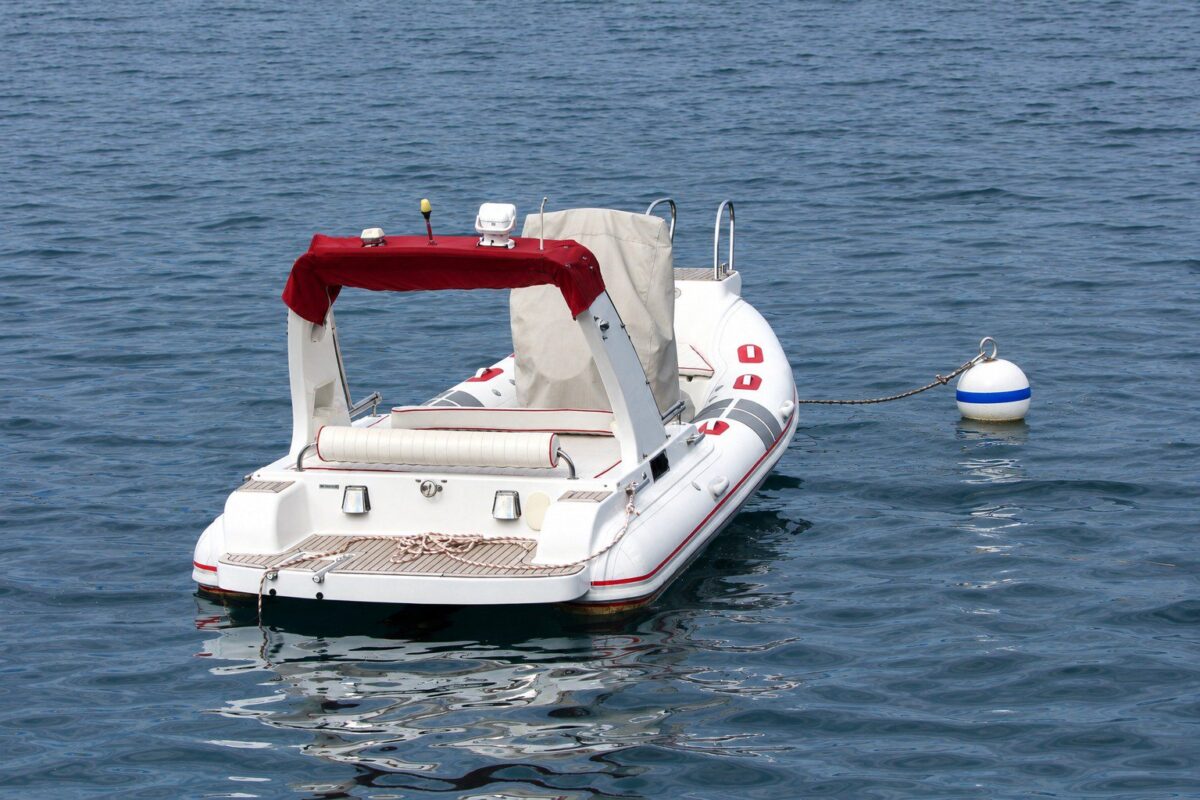
Buying mooring buoys sounds simple until your first purchase order lands with the wrong size, wrong hardware, or wrong marking scheme. Marina operators and procurement contacts face pressure to spec correctly the first time, since seasonal deadlines rarely leave room for reorders. Getting the details right protects your budget, dock capacity, and relationships with the boat owners who rent your ball moorings each season.
The right procurement process starts with load calculations. Between the numbers sit choices about resin type, buoy shape, hardware grade, and anchor rigging that shape long-term cost of ownership. Understanding what actually matters helps you write a spec that gets fair quotes and durable equipment.
What Should Marina Operators Look for When Buying Mooring Buoys?
Marina operators should evaluate mooring buoys on load capacity, resin type, hardware grade, and compliance with state marking rules before ordering. Look for foam-filled, seamless polyethylene construction with stainless steel or galvanized hardware sized for the vessels you serve. Verify your state requires the correct color scheme, such as Wisconsin's white ball with a blue band.
How to Spec Marina Mooring Buoys for Your Vessel Mix
Specifying marina mooring buoys starts with an honest inventory of the vessels your ball moorings actually serve each season. Boat displacement, hull windage, and overall length drive load calculations more than any single spec sheet number. Getting the vessel mix right prevents undersized floats that submerge under load and oversized units that waste budget on excess buoyancy.
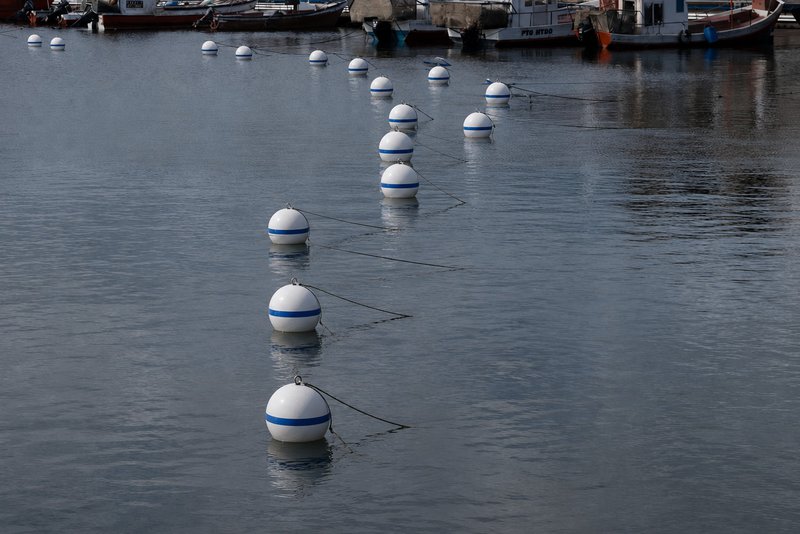
Buoyancy capacity and mooring capacity describe two different things, and confusing them causes real procurement mistakes. Buoyancy tells you how the buoy floats, while structural capacity tells you how much mooring force the hardware and shell can handle. Review the safe working load of the complete assembly rather than the volume of the float body alone.
Reserve buoyancy matters when chain weight, marine growth, and storm surge stack on top of normal loads. Plan for the heaviest vessel in your fleet plus a safety margin that keeps freeboard clear through peak conditions.
Shape also affects performance across different marina environments and vessel types. Spherical and ovate buoys shed wave energy well and meet Wisconsin's marking rules for mooring markers on inland lakes. Cylindrical designs with a taller profile offer better visibility in busy fields where boaters need to spot open moorings from a distance.
Hardware, Chain, and Anchor Systems That Match Your Bottom
Hardware choice separates a mooring buoy that survives ten seasons from one that fails in three under normal use. Stainless steel offers the best corrosion resistance for saltwater and brackish conditions common at coastal marinas. Galvanized steel handles freshwater environments well at a lower price point, while PVC-coated hardware suits shallow-water residential moorings.
Chain sizing follows load calculations rather than habit or whatever you used last time. A general rule calls for a bottom chain at least twice the diameter of your riser chain to absorb ground abrasion. Regularly inspect shackles, thimbles, and swivels for wear, since a single failed fitting drops the whole assembly.
Anchor selection depends on your bottom composition and the holding power your vessel loads demand. Deadweight anchors work on rocky bottoms and hold position even when dragged, but they require barge deployment and lose over half their weight when submerged. Mushroom anchors bury themselves in mud and soft bottoms for smaller boats, though they underperform in rock and hard-pack.
Helical screw anchors deliver the highest holding power per unit weight of any common option in marina use. A 10-inch helical anchor holds roughly 10,000 pounds compared to 4,000 pounds for an 8,000-pound concrete block. Additionally, screw anchors allow shorter scope requirements, so harbormasters fit more mooring buoys into the same water without sacrificing safety.
What to Verify Before Buying a Mooring Buoy for Sale
Any mooring buoy for sale should come with information that lets you verify claims before the invoice clears. Sales copy can look identical across vendors while the underlying spec, hardware, and construction vary widely. Ask for these confirmations in writing so your procurement file holds up under audit or warranty dispute.
- Resin and Construction – Confirm high-density polyethylene resin, seamless rotational molding, and 100% closed-cell foam fill on every unit.
- Load Ratings – Request information on safe working load values for the complete assembly, not just buoyancy volume of the float shell.
- Hardware Grade – Verify stainless steel, hot-dipped galvanized, or PVC-coated fittings with grade specifications matched to your water type.
- Marking Compliance – Check that color, band, and shape meet your state code, such as Wisconsin's white ball with a blue band under NR 5.09.
- Warranty Terms – Get the warranty period, coverage scope, and claim process in writing before you finalize the purchase order.
Verified specs also protect you when a boat owner disputes damage or a state inspector questions your marking scheme. Keep information on file for every mooring buoy in your field, including serial numbers, installation dates, and inspection records. Consistent records turn compliance from an annual scramble into a routine part of your operation.
Ordering Mooring Buoys: Lead Times and Rollout
Ordering mooring buoys should follow a timeline that reflects seasonal deadlines and real manufacturing lead times. Custom colors, lettering, or hardware combinations typically add two to six weeks compared to in-stock units. Ordering in late winter gives you the widest choice of shapes, sizes, and hardware configurations before spring demand peaks.
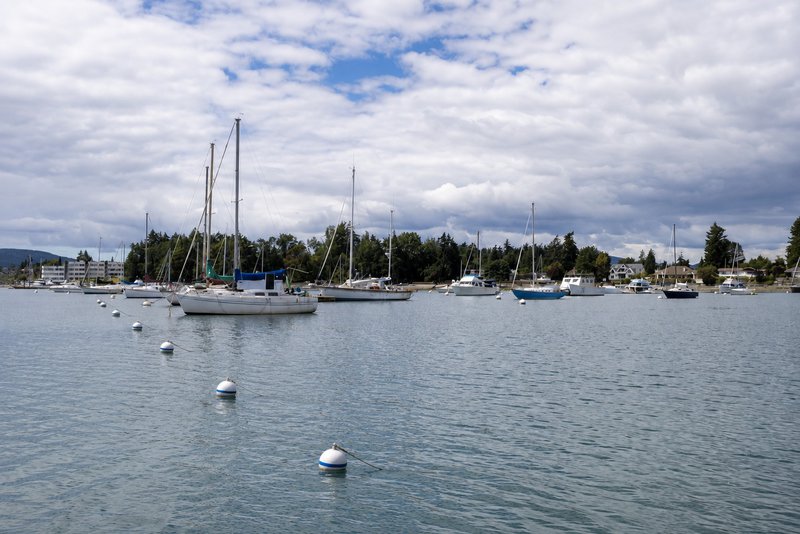
Rollout planning covers deployment logistics, anchor installation, and mooring field marking on the water. Coordinate with your anchor installer to schedule helical drilling or deadweight placement before the buoys reach your dock. Bundle the anchor system, chain, buoy, and pennant delivery so your crew can install a complete assembly in one water session.
Post-installation inspection closes the ordering loop and starts your maintenance cycle. Walk the field with GPS in hand to record each buoy's position, serial number, and initial condition. Regular inspections catch shackle wear, faded markings, and drifting anchors before they become mid-season failures.
Get the Right Mooring Buoys for Your Marina
Walsh Marine Products manufactures every mooring buoy at our Beaver Dam, Wisconsin, facility using American components, HDPE resin, and Tough Seal seamless construction. Our spherical mooring buoys meet Wisconsin's white-with-blue-band marking rule and pair with stainless, galvanized, or PVC hardware sized for your vessel mix.
Whether you run a municipal harbor, private yacht club, resort marina, orinland lake mooring field, we can spec the right assembly for your bottom, water conditions, and boat sizes. Get in touch today to walk through your vessel mix and lock in the mooring buoys your season depends on.