

 24 Hours
 (In-Stock)

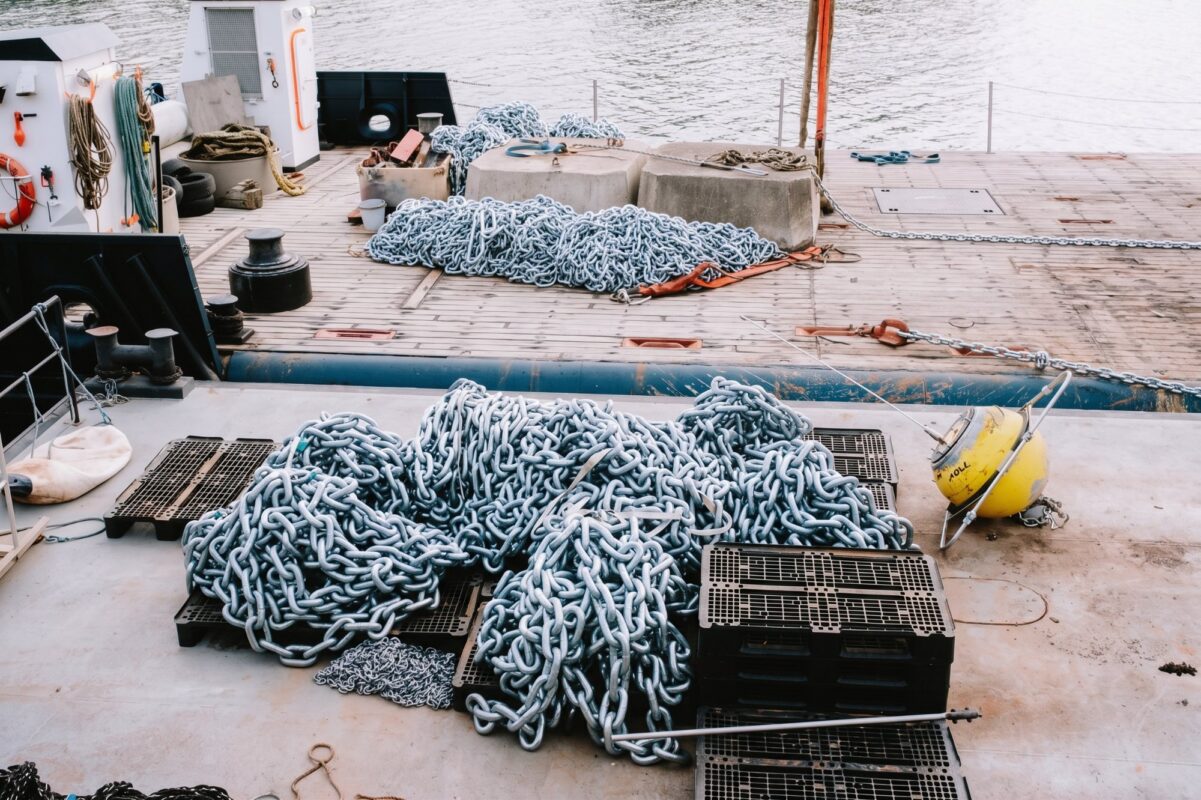
Mooring chains connect your buoy to its anchor and absorb constant strain from current. A weak or mismatched chain fails long before the buoy shell shows any wear. Choosing the right chain protects your entire buoy system from early, costly failure.
Marine cables and chains come in different materials, gauges, and link styles for different jobs. Water depth, current strength, and bottom type all affect which option works best. The guide covers how to choose, size, and maintain a mooring chain system.
How Do You Choose the Right Mooring Chains for Your Buoy?
Choosing the right mooring chains starts with matching chain gauge to your buoy's weight. Water conditions, including current and bottom type, also determine the best material choice. Galvanized steel suits most freshwater sites, while stainless steel handles saltwater exposure well.
Why Mooring Chains Matter More Than Most Buyers Realize
Mooring chains take on more physical stress than almost any other buoy component. Constant current, wave motion, and boat wakes pull on the chain every single day. A weak link anywhere in the chain can release an entire buoy system.

Notably, undersized chain stretches and weakens faster than gauge-matched chain to the buoy's load. Corroded chain loses strength gradually, often without any visible warning. A single failed link can send a buoy drifting into a shipping lane. Replacing chain costs far less than replacing an entire buoy lost to drift. Routine inspection catches thinning links long before a full chain failure happens.
Marine cables offer an alternative to chain in certain mooring applications and setups. Cable weighs less than chain of comparable strength, which simplifies handling and installation. However, cable wears differently and needs its own dedicated inspection routine each season.
Types of Marine Cables and Chains for Different Waterways
Marine cables and chains come in several styles built for different mooring needs. Meanwhile, some styles suit calm lake conditions, while others handle heavy current or saltwater. The types below cover what you will most commonly find on the market.
- Vinyl-coated cable offers a lightweight, corrosion-resistant option for many common mooring setups.
- The vinyl coating on cable helps protect your buoy hull from scuffing and wear.
- Stainless steel chain resists corrosion better than standard galvanized options in most saltwater.
- Galvanized steel chain remains the most common, cost-effective choice for freshwater mooring.
- Chain link size and coating thickness both affect strength and expected service life.
- Cable and chain both connect the same way to standard shackles and swivels.
Choosing between these mooring chain options depends on your water type, budget, and load requirements. Therefore, a manufacturer can help you match the right marine cables and chains to your site.
Chain Gauge and Material Guide for Buoy Systems
Chain gauge refers to the diameter of each link measured in inches or millimeters. As a result, larger buoys and stronger currents require a thicker gauge for adequate holding strength. An undersized gauge stretches under load and fails well before its expected working lifespan.

A manufacturer can walk you through gauge variables based on your buoy's weight and diameter. Similarly, water depth also factors into gauge selection, since deeper water needs more scope. More scope means more chain weight, which directly affects the required gauge strength.
Galvanized steel resists corrosion through a protective zinc coating applied during initial manufacturing. The coating wears over time, so galvanized chain eventually needs replacement or re-galvanizing. Meanwhile, stainless steel resists corrosion at the molecular level and lasts longer in saltwater.
Therefore, stainless steel costs more upfront but often saves money over the chain's full lifespan. Weigh the higher initial cost of these mooring chains against your site's corrosion risk and budget.
Inspecting and Maintaining Your Mooring System Over Time
Meanwhile, regular inspection keeps mooring chains working reliably through many years of hard use. Most fleets benefit from checking chain condition at least twice each full year.
During an inspection, look for rust, pitting, or thinning on each link. Stretched links often signal that a chain has taken more load than designed. Replace any section showing heavy wear before it compromises your entire mooring system.
Check connection points, including shackles and swivels, for rust or visible surface damage. However, a weak connection point can fail even when the chain itself remains strong. Clean marine growth off the chain periodically to slow corrosion and make each inspection easier.
Document each inspection with photos and notes to maintain a complete maintenance record. Therefore, compare notes season to season to spot wear patterns before they become failures. Browse marine cables and chains if your inspection reveals it is time to replace.
Order the Right Mooring Chains for Your Waterway
Mooring chains determine how well your entire buoy system holds up over time. Gauge, material, and link style all affect strength, cost, and total service life. Walsh Marine supplies marine cables and chains built for today's real water conditions.
Whether you need standard chain or a custom mooring setup, we can help. Our team walks through the variables that affect gauge selection for your setup. Message our team today to talk through mooring chain options for your buoy.