

 24 Hours
 (In-Stock)

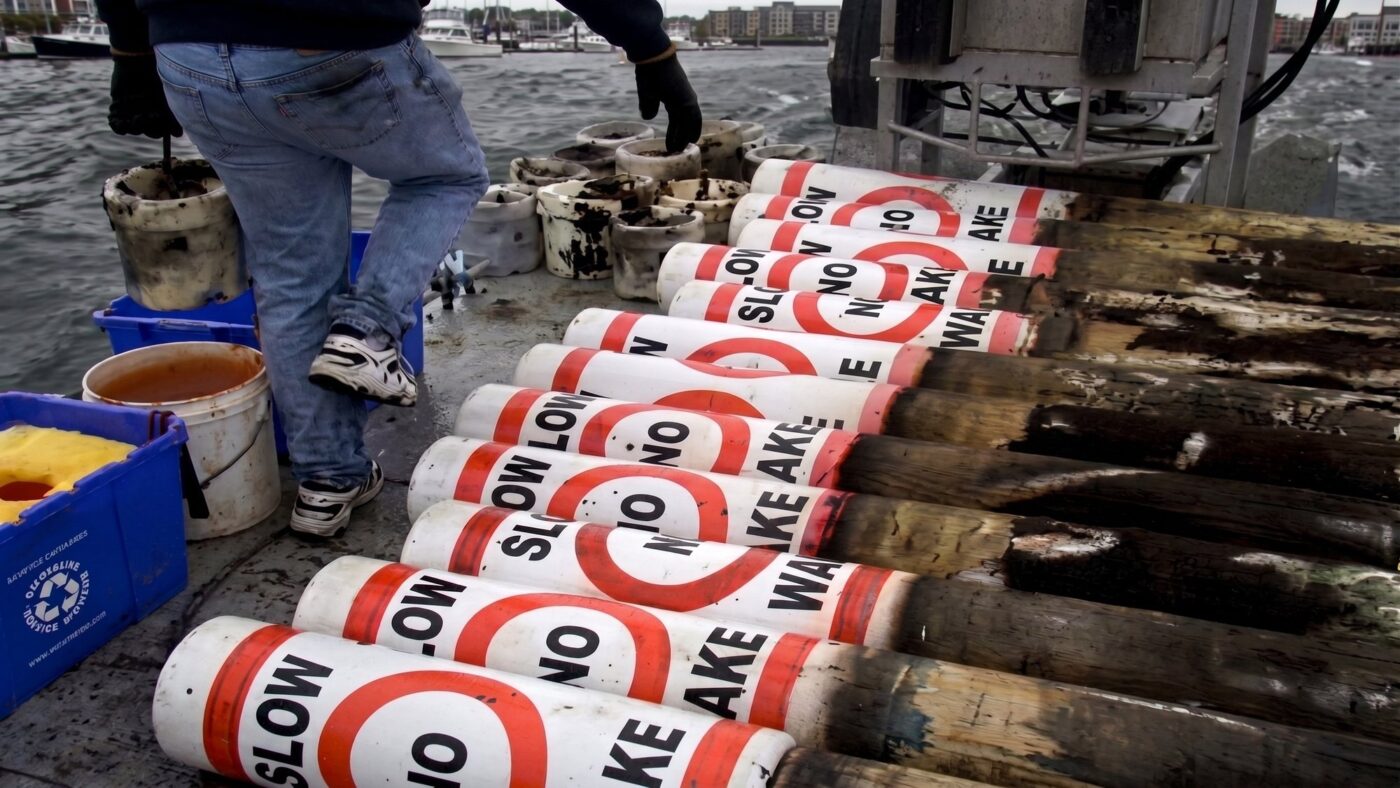
Buoy maintenance keeps regulatory and mooring buoys safe and operational season after season. Skipping routine upkeep lets small problems become costly failures or require full replacements. A steady maintenance routine protects your budget and your entire agency compliance record.
Buoys face UV exposure, ice pressure, marine growth, and constant wave impact every season. A repair kit lets your team fix minor damage without waiting on a full replacement. The guide covers what to inspect, when to repair, and when to replace.
What Does Buoy Maintenance Actually Involve?
Buoy maintenance includes routine inspection, cleaning, hardware checks, and timely repairs each season. Crews regularly check for cracks, faded graphics, loose chains, and marine growth buildup. Regular buoy maintenance catches small problems before they turn into a full replacement.
Why Buoy Maintenance Extends the Life of Your Fleet
Buoy maintenance directly affects how many seasons a single marker stays in service. Neglected buoys crack, fade, and lose buoyancy years before well-maintained units. Regular buoy upkeep protects your initial investment and delays a costly full fleet replacement.

However, UV exposure fades vinyl graphics and weakens plastic over several years of sun. Ice pressure during winter can crack a shell that already has minor damage. Marine growth adds weight and reduces visibility if left unchecked for several months.
A buoy inspected twice a year rarely fails without warning during peak season. Therefore, catching wear early costs far less than an emergency replacement mid-busy season.
A documented maintenance history also helps during compliance audits or full inspections. Agencies that track service records justify budget requests for new equipment more easily. Consequently, on-schedule buoy maintenance protects both your fleet and your program's reputation.
A Seasonal Checklist for Buoy Repair and Upkeep
Buoy maintenance works best on a predictable seasonal schedule rather than a random one. Meanwhile, most fleets benefit from a spring inspection and a fall inspection each year. The checklist below covers what to review during each seasonal maintenance visit closely.
- Inspect the shell for cracks, chalking, or deep scratches from recent boat strikes.
- Check vinyl graphics and lettering for fading, peeling, or reduced nighttime visibility issues.
- Remove marine growth and sediment buildup along the waterline and buoy base each visit.
- Check mooring chains, shackles, and swivels for rust or badly worn metal links.
- Test the solar light and photocell if your buoy has one currently installed.
- Confirm foam fill has not waterlogged after a puncture or a long crack.
Completing this checklist twice a year keeps most buoys in reliable working condition. Therefore, a buoy repair kit handles most issues this checklist typically uncovers each time.
Common Problems a Buoy Repair Kit Can Fix
A buoy repair kit handles most damage that happens during a normal boating season. Basic buoy maintenance kits typically include patch material, marine adhesive, and touch-up paint for graphics. Small cracks and surface damage rarely require sending a buoy back to the manufacturer.
Similarly, punctures from a boat strike or ice damage often need a patch kit right away. Left unpatched, a small puncture lets water into the foam core over time. A repair kit applied quickly prevents that damage from spreading much further inside.
Notably, faded or peeling vinyl graphics also fall within a typical repair kit's scope. Touch-up paint restores color match without waiting for a full graphics reprint order. Loose hardware, including shackles and swivels, often just needs tightening or quick replacement.
A repair kit will not fix a badly cracked shell or waterlogged foam core. Consequently, damage at that level usually calls for a full buoy replacement order instead.
When to Repair vs Replace a Regulatory or Mooring Buoy
Repair makes sense when damage stays limited to the surface or the hardware. Meanwhile, replacement makes more sense once structural damage affects buoyancy or overall long-term stability.
A cracked shell that still holds its shape usually accepts a patch kit repair. A shell crushed or split along a seam rarely holds a patch long term. Therefore, checking the extent of damage before ordering parts saves time and real money.
Notably, age also factors into buoy maintenance decisions about repair versus replacement for older regulatory buoys. A ten-year-old buoy with new damage may not justify further investment. A newer buoy with the same damage almost always makes sense to repair.
Ask a manufacturer for guidance if you are unsure which option fits your buoy. A repair kit ships fast enough to handle most seasonal repairs before opening weekend. Consequently, replacement orders need more lead time, so plan ahead during the off-season.
Keep Up With Buoy Maintenance Before Next Season
Buoy maintenance protects your investment and keeps markers compliant season after season. Routine inspection, cleaning, and hardware checks catch small problems before they fully grow. Walsh Marine builds every buoy and repair kit at our Wisconsin facility.
Whether you need a repair kit or a full replacement, we can help. Our team reviews your buoy's condition and recommends the right next repair step. Contact our team today to order a buoy repair kit for your fleet.